Annual Wildlife Inspections
- Taroneh homberg
- Blog
Why annual wildlife inspections matter
If you own a home in Florida or a similar climate, scheduling Annual Wildlife Inspections is one of the simplest ways to prevent surprise damage, hidden contamination, and recurring removal bills. Homeowners who skip routine checks often discover infestations only after insulation is ruined, wiring is chewed, or a persistent odor develops. Regular inspections catch small problems early and turn expensive repairs into manageable maintenance.
What an annual wildlife inspection covers
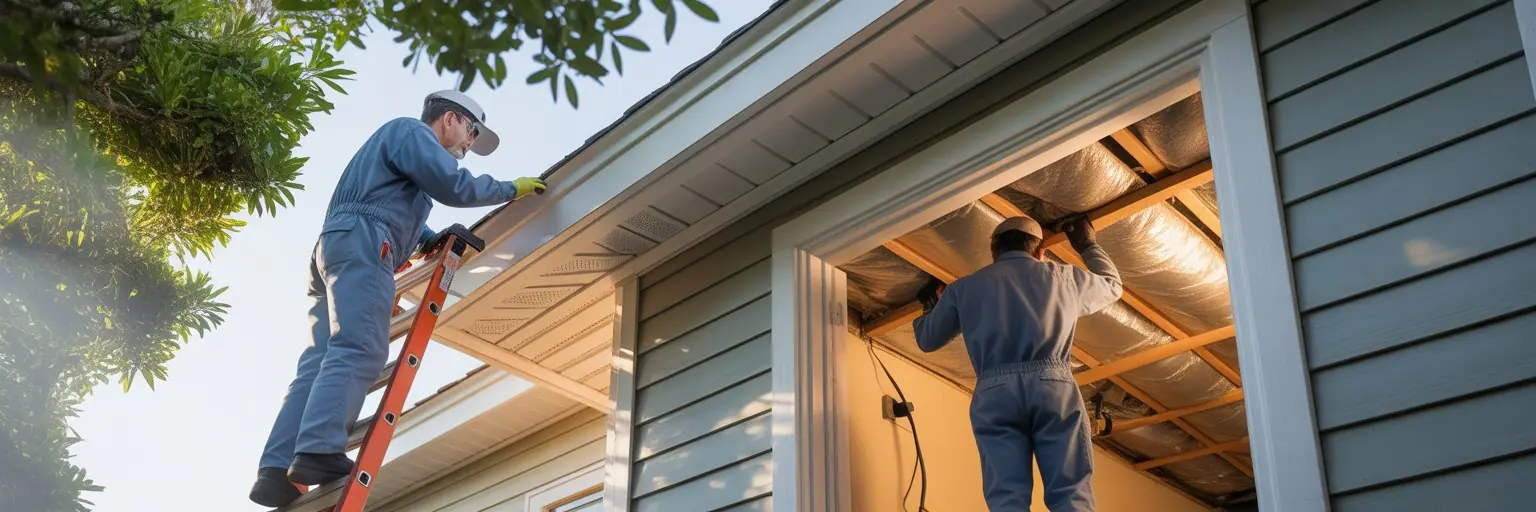
A proper annual inspection is more than a walk around the yard. Technicians inspect likely entry points, attic and crawlspace conditions, wiring and HVAC exposure, and signs of recent activity. Typical items covered include roofline gaps, soffit and vent integrity, foundation openings, attic insulation condition, and fresh droppings or grease marks.
- Exterior perimeter: Check for gaps around pipes, vents, and foundation penetrations that animals use to enter living spaces.
- Roofline and soffits: Inspect fascia, soffits, chimney caps, and any tree-to-roof contact that provides access.
- Attic and crawlspace: Look for droppings, nesting, chewed wiring, and contamination of insulation that require remediation.
- Sanitation risk: Identify food sources such as unsecured trash, pet food left outside, or compost that attract wildlife.
When annual inspections save you real money
Inspections catch issues before they multiply. Community-sourced estimates and contractor reports show clear cost differences between early intervention and delayed remediation. For example, targeted exclusion at a single roof vent commonly costs between $400 and $1,200. Comprehensive attic exclusion plus repairs and monitoring commonly falls between $1,000 and $3,500. Full attic remediation with insulation replacement has been reported in some cases at $10,500 to $12,700 when contamination is extensive.
Those figures illustrate why an inspection that leads to a $600 exclusion job can prevent a five-figure cleanup later. Inspections also document conditions for insurance and warranty purposes, which makes follow-up claims easier to support.
How often is annual really enough
Annual inspections are the baseline for most properties. However, your property may benefit from more frequent checks if any of the following apply:
- Large mature trees overhanging the roof.
- Previous wildlife entries or recent repairs in the last 12 months.
- High neighborhood wildlife activity or nearby construction that displaces animals.
- Seasonal breeding patterns for local species where juveniles could be present.
If you have roofline vegetation or persistent attractants, schedule inspections every six months until the conditions are stabilized.
Species-specific risks that inspections reveal
Inspections should identify which animals are present because solutions differ by species. Roof rats, for example, prefer attics and trees and are associated with attic damage in canopy-rich neighborhoods. Field data from local inspections shows attic infestations are roof rat dominant roughly 70 percent of the time in coastal communities. Norway rats are more likely where heavy mulch and ground-level clutter provide harborage.
Both rat species can breed year-round in warm climates, with typical rates of 3 to 6 litters per year. That rapid reproduction means a single missed season can double or triple an infestation.
What inspectors document and why it matters
An inspection report should be photographic, dated, and itemized. Useful deliverables include a map of entry points, a prioritized list of repairs with line-item costs, and recommended follow-up tasks such as vegetation trimming or sanitation. When a report separates exclusion labor, trapping, sanitation, insulation replacement, and electrical repairs, you can compare bids and hold contractors accountable.
Look for reports that call out wiring damage specifically. Chewed wiring can be a fire hazard and typically requires a licensed electrician. One local average for insulation replacement after rodent contamination was about $1,100 when insulation needed partial replacement and cleaning.
Common pain points homeowners report
Homeowners with wildlife histories repeatedly mention the same frustrations: repeat entries after a “quick” seal, lingering odors from missed contamination, and surprise bills from hidden damage. Contractors sometimes perform cosmetic exclusion without addressing droppings or nesting material. That approach can leave lingering health risks and lead to secondary pest issues.
Another frequent complaint is the long-term ecological harm from improper rodenticide use. Rodenticides may remove rodents quickly but can also cause secondary poisoning of raptors and scavengers. Many professionals now recommend trapping and exclusion instead of broad poisoning to reduce ecological risk.
How to evaluate an inspection service
When you hire an inspector, ask for these specifics:
- A written scope that lists exactly what will be inspected and photographed.
- Line-item cost estimates for recommended repairs, not a single bundled number.
- Warranties on exclusion work with clear terms and conditions.
- Coordination plan for sanitation, insulation replacement, and licensed subcontractors such as electricians when needed.
Inspections that include a follow-up visit or a short monitoring period after exclusion are often worth the small premium because they verify whether animals are actually excluded.
How inspections fit into exclusion and trapping plans
Inspections determine whether you need trapping first or whether exclusion can be scheduled immediately. If animals are actively inside an attic or crawlspace, most professionals will trap or remove them before sealing entry points. For species protected by law, such as certain bats and migratory birds, timing is critical and the inspection must identify maternity season restrictions.
For more on when to choose exclusion or trapping, see our guide that explains cost, timing, and legal limits: Wildlife exclusion vs wildlife trapping.
Practical inspection checklist you can use
- Check roofline and attic access for fresh droppings, grease marks, or damaged vents.
- Inspect ground perimeter for burrows, runways, and gnaw marks near foundation penetrations.
- Document all tree branches and vines within six feet of the roofline as potential access routes.
- Note any insulation that is matted, stained, or contains nesting material and whether partial or full replacement will be needed.
- Photograph any wiring damage and recommend a licensed electrician if insulation or wiring was compromised.
Long-term benefits: warranties, monitoring, and documentation
Buying an inspection with a written warranty and monitoring window reduces the chance your problem returns. Many companies offer warranties that require an annual inspection to remain valid. That arrangement aligns incentives: you get a repeat check that can catch small failures before they become major issues.
Keep inspection reports and photographs in a dedicated folder for insurance or resale. Documenting that you performed annual inspections and followed recommended repairs can be valuable if you later sell the home.
Internal resources and next steps
If you want a deeper primer on what inspectors look for during a visit, read our detailed inspection guide which explains typical scope and cost items: What to expect from a wildlife removal inspection. For information on attic contamination and cleanup costs, see our breakdown of attic remediation options and price ranges: Attic wildlife cleanup cost in Florida.
Frequently Asked Questions
How often should I schedule annual wildlife inspections?
If your property has mature trees, previous wildlife entries, or nearby construction, schedule inspections every six months until conditions stabilize. For most suburban homes with no recent activity, a single annual inspection timed before breeding seasons provides a good balance between cost and risk.
What does an annual wildlife inspection typically cost?
Costs vary by region and company. A basic visual inspection often falls in a modest range, while comprehensive inspections that include attic entry and crawlspace checks cost more. Use inspection findings to compare line-item quotes. Simple exclusion tasks discovered during an inspection commonly cost $400 to $1,200, while larger remediation after contamination can reach several thousand dollars.
Will inspections catch every possible entry point?
Inspections significantly reduce the chance of missed entries, but no inspection can guarantee perfection. Hidden gaps inside walls or under decks sometimes require specialized tools or follow-up visits after initial exclusion and monitoring. A good inspector will include a monitoring period to ensure seals hold.
Are inspections worth it if I have no visible signs of wildlife?
Yes. Inspections are preventive maintenance. Small gaps and vulnerable roofline features are easier and cheaper to fix before animals find them. Early repairs avoid insulation contamination, wiring damage, and the higher costs associated with full remediation.
Do inspection reports affect home resale or insurance?
Inspection reports provide documentation you can show buyers or insurers. They demonstrate proactive maintenance and can justify or clarify claims if a future infestation occurs. Keep reports, photos, and invoices organized for easy access during a sale or claim.
What should I do if an inspection finds contamination in the attic?
If contamination is found, prioritize safety. Avoid disturbing droppings and nesting material. Follow the inspector’s sanitation plan, which often includes insulation removal or replacement, HEPA vacuuming, and licensed contractor work for wiring. For step-by-step cleanup guidance, review our attic cleanup resource and consult public health guidance where appropriate.
Conclusion
Scheduling Annual Wildlife Inspections prevents small vulnerabilities from turning into expensive repairs and health hazards. Inspections identify entry points, species-specific risks, and contamination early so you can choose targeted exclusion, sanitation, or repairs. Use inspection reports to compare contractor bids and to document maintenance for insurance or resale. Start with a professional inspection and get a written scope so you know which follow-up actions will protect your home and your budget.