Can Wildlife Come Back After Removal? Exclusion Guide
- Pro Wildlife Removal
- Blog
Can wildlife come back after removal? The short answer
Yes, wildlife can come back after removal if the original access points were not properly sealed. If you have already booked professional wildlife removal services, you may still see repeat visits unless exclusion and repairs are completed. The difference between a one-time fix and a long-term solution is sealing entry points correctly, addressing contamination, and removing attractants.
That is not opinion. Homeowners and technicians on community forums report repeat infestations when crews removed animals but left vents, soffits, or foundation gaps open. In one homeowner thread the pest pro recommended a complete cleanup and exclusion plan estimated at about $3,500 for a contaminated crawlspace, because a simple trapping job alone would not stop future access.
Why sealing entry points prevents repeat infestations
Animals return for three reasons: they can get back in, the site still provides food or shelter, or young were left behind. Sealing entry points removes the easiest route back in and converts the structure from attractive habitat to inhospitable space for wildlife.
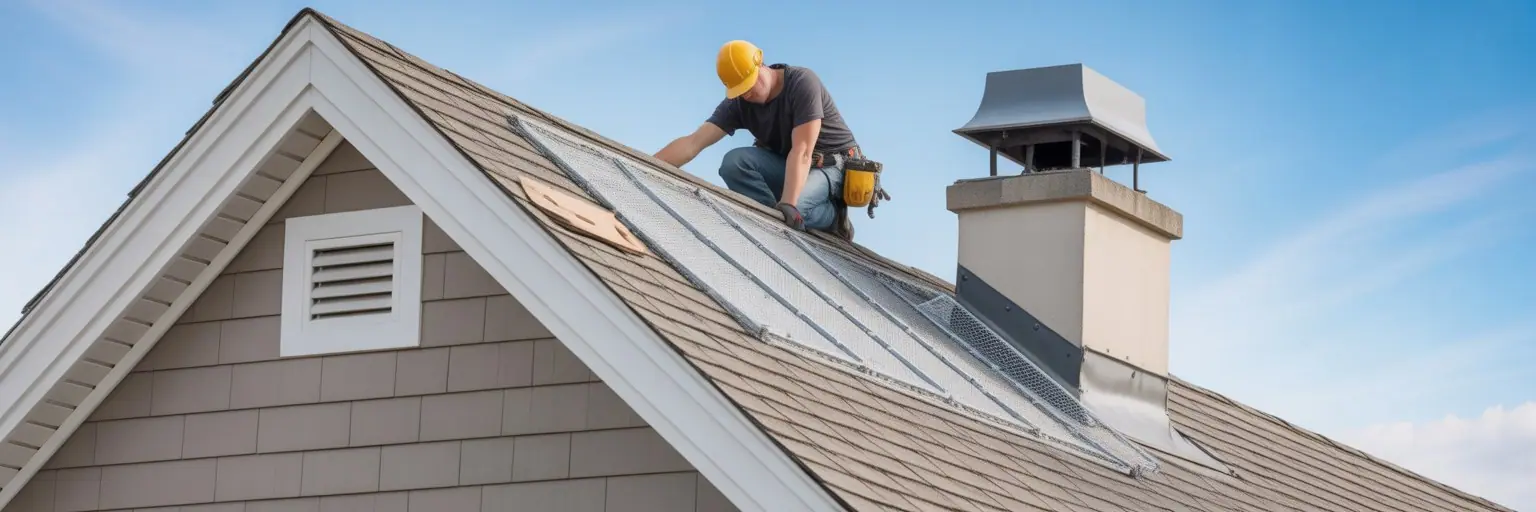
- Blocks physical access: Animals reuse the same gaps in soffits, rooflines, vents, and foundation walls. Properly installed screening, flashing, and chimney caps eliminate those routes.
- Stops scent and nesting cues: Cleaning contaminated insulation and removing nesting materials makes attics and crawlspaces less attractive. The Centers for Disease Control documents health risks from rodent droppings and recommends professional cleanup in heavily contaminated areas: CDC Rodent Control.
- Removes food and shelter: Sealing and minor landscape changes reduce food sources and hiding places near the home, which lowers the incentive for wildlife to test entry points again.
How exclusion fits into a complete repair plan
A robust exclusion plan is more than plugging a hole. It pairs inspection, removal, sealing, and follow-up verification. After removal you should expect a multi-step sequence: documentation of entry points, targeted sealing using durable materials, sanitation where droppings exist, and a scheduled re-inspection to confirm no new activity.
Inspection-first companies often deliver a line-item scope that separates trapping, exclusion labor and materials, sanitation, insulation replacement, and any necessary electrician or HVAC work. That separation matters because homeowners on public forums reported dramatically different cost paths: exclusion and sanitation packages commonly ran near $3,000, while full attic remediation and insulation replacement quotes for heavily contaminated jobs have been reported at $10,500 to $12,700.
Common failure modes that lead to repeat infestations
Understanding how exclusion fails helps you evaluate contractors and avoid repeat costs.
- Temporary or cosmetic fixes: Using lightweight mesh or non-structural material that animals can tear or push aside.
- Sealing without sanitation: Animals left carcasses or heavy contamination inside wall voids attract secondary pests and create smell problems; in one Reddit thread owners discovered mold because dead rodents remained after an exclusion, forcing a large remediation.
- Ignoring building moisture and ventilation: Completely sealing crawlspace vents without addressing moisture can create mold problems. One homeowner reported that prior owners enclosed the crawlspace and later needed substantial remediation because moisture management was ignored.
- Not addressing attractants outside the home: Accessible garbage, pet food, or dense landscaping next to foundations often draws animals back even after exclusion.
Cost comparison: What exclusion prevents versus full remediation
| Scenario | Typical immediate cost (reported) | What sealing prevents |
|---|---|---|
| Targeted exclusion (vent, soffit, chimney cap) | $400 to $1,200 | Repeat entries at the same roofline points; low-to-moderate future risk |
| Comprehensive attic exclusion + 1 week monitoring | $1,000 to $3,500 | Longer-term prevention and reduced chance of insulation contamination |
| Sanitation + insulation replacement after heavy contamination | $10,500 to $12,700 (homeowner reports) | Eliminates odors, health hazards, and secondary infestations that follow incomplete exclusion |
| Crawlspace full remediation reported example | ~$3,500 (reported quote for cleaning after exclusion) | Removes rodent waste and damaged insulation that would otherwise keep attracting pests |
Inspection checklist: what to demand before and after exclusion
Ask for photographic documentation during inspection and after repairs. A professional inspection report should include:
- Species ID and activity assessment: Photos of droppings, grease marks, and entry points.
- Line-item scope: Separate costs for exclusion, trapping, sanitation, insulation replacement, and trades referrals.
- Wiring and HVAC notes: If wiring is chewed or ducts are contaminated, expect referrals to a licensed electrician or HVAC tech. The National Fire Protection Association calls out gnawed wiring as a fire risk and recommends immediate evaluation: NFPA.
- Warranty and monitoring: Written warranty on exclusion work and a one- to two-week monitoring plan to validate no return.
Comparison: exclusion-only, trapping then exclusion, and full remediation
| Approach | When it is appropriate | Pros | Cons |
|---|---|---|---|
| Exclusion-only | Entry points known, no animals currently inside | Less expensive, fast to implement | Will fail if contamination or juveniles are present |
| Trapping then exclusion | Active animals detected | Removes animals first, then prevents return; recommended most often | Longer timeline; some species have legal timing restrictions |
| Full remediation (sanitation + repairs) | Heavy contamination, chewed insulation, or HVAC involvement | Addresses health hazards and structural odor issues | Most expensive; sometimes avoidable if exclusion occurs early |
Schedule an Exclusion Inspection
Real Reddit stories that illustrate the risk
Community-sourced posts supply practical warnings. One Seattle-area homeowner shared that the previous owners had fully enclosed a crawlspace and sealed vents, then let maintenance lapse; the contractor recommended about $3,500 to clean after removing mice because moisture and animals had combined to create extensive damage. Another poster reported a remediation company quoting $28,000 for intensive mold and debris scrubbing when dead rodents and moisture had gone unaddressed after prior exclusion work.
Those examples show the hidden cost of cutting corners. A modest investment in thorough exclusion plus sanitation often prevents catastrophic remediation bills later. If you find conflicting quotes, use the inspection report to compare line items rather than price alone. Our detailed inspection guidance explains typical findings and costs in depth: what to expect from a wildlife removal inspection.
How to choose materials and methods that last
Good exclusion uses durable materials appropriate to the site. That typically means stainless-steel mesh for vents, metal flashing at roofline penetrations, chimney caps with welded screens, and properly fastened soffit closures. Avoid lightweight or glued solutions that animals can dislodge. When insulation has been contaminated, removal and replacement are often safer than covering it up. For guidance on hazardous material cleanup and mold, review EPA recommendations on mold cleanup: EPA Mold Cleanup.
Frequently Asked Questions
Will animals come back after sealing vents and soffits?
They can if sealing is incomplete or temporary. Properly installed metal screens, flashing, and chimney caps fixed to structural members are effective. Homeowners reported return visits when contractors used light mesh or left gaps around penetrations. Insist on photos and a clear warranty that defines what voids coverage.
How long should I wait after exclusion to consider the job complete?
Expect a monitoring period of at least one week to two weeks after exclusion. Many professionals schedule a follow-up to verify no new activity. If animals had young inside, legal or ethical constraints may require delayed exclusion until juveniles can leave on their own.
Can sealing a crawlspace cause moisture or mold problems?
Yes if moisture management is not addressed. Completely sealing vents without evaluating drainage, vapor barriers, and ventilation can trap moisture and promote mold. One homeowner reported that prior owners sealed vents and later required extensive remediation. Discuss moisture control with your contractor and request a ventilation or drainage assessment.
Do I need to replace insulation after rodents?
Insulation saturated with urine or heavily soiled by droppings is usually best removed and replaced. Inspectors reported replacement costs ranging widely; when contamination is deep, replacement prevents persistent odors and health risks. Ask the inspector to document contamination depth to justify replacement to insurers.
Is exclusion legal year round for all species?
No. Some species, especially certain bats and migratory birds, are protected during maternity and nesting seasons and cannot be excluded until young have fledged. A licensed wildlife professional will advise on local regulations and timing to keep you compliant.
Conclusion
Can wildlife come back after removal? Yes, if you only remove animals without sealing how they got in. Effective long-term protection requires a documented inspection, durable exclusion work, targeted sanitation when contamination exists, and follow-up monitoring. Use the inspection report to compare bids and demand photographic proof of repairs. If you want a written plan and a line-item quote that separates exclusion, sanitation, and repairs, schedule a professional exclusion inspection today and reduce the risk of repeat infestations. Sealing entry points correctly is the single action that most reliably prevents animals from returning.