Common Wildlife Entry Points
- Taroneh homberg
- Blog
Why common wildlife entry points matter to homeowners
If you have heard scratching in the attic or found tracks near foundation vents, identifying common wildlife entry points is the fastest way to stop repeat damage. Homeowners who wait often discover chewed wiring, insulation contamination, or repeat visits that drive up cleanup costs.
Real-world service reports on this site list inspection fees between $75 and $250, targeted removal or trapping commonly priced from $150 to $600, and extreme sanitation jobs that have reached about $11,000. Those numbers are useful when you compare quotes and decide whether a professional inspection is worth the price.
Where wildlife actually get into houses
These are the physical weak spots most often used by raccoons, rats, squirrels, bats, and opossums. Walk your property with a focused checklist and you will find at least one candidate entry point in most older homes.
- Soffits and fascia gaps: Torn or sagging soffits provide direct access to eaves and attic cavities. Raccoons and squirrels pry at loose material to widen openings.
- Roof vents and plumbing boot gaps: Cracked vent boots and loose flashing around pipe penetrations let animals squeeze into roof cavities.
- Uncapped chimneys: An uncapped flue is an open highway into an attic. A screened cap prevents this route.
- Rotted or missing vent screens: Foundation and crawlspace vents with damaged screens let rats and smaller animals enter and then climb into walls.
- Decks, porches, and skirting gaps: Openings under decks are popular den sites. One community case on our site showed a large deck with stored materials attracting multiple species until the homeowner removed pet food.
- Tree branches and roofline access: Trees within about 15 feet of the roofline give climbers an easy path. Trimming branches back reduces rooftop access dramatically.
- Pet doors and garage gaps: Pet doors that are not secured at night and garage soffit gaps provide convenient access for medium-sized mammals.
How to inspect for entry points and evidence
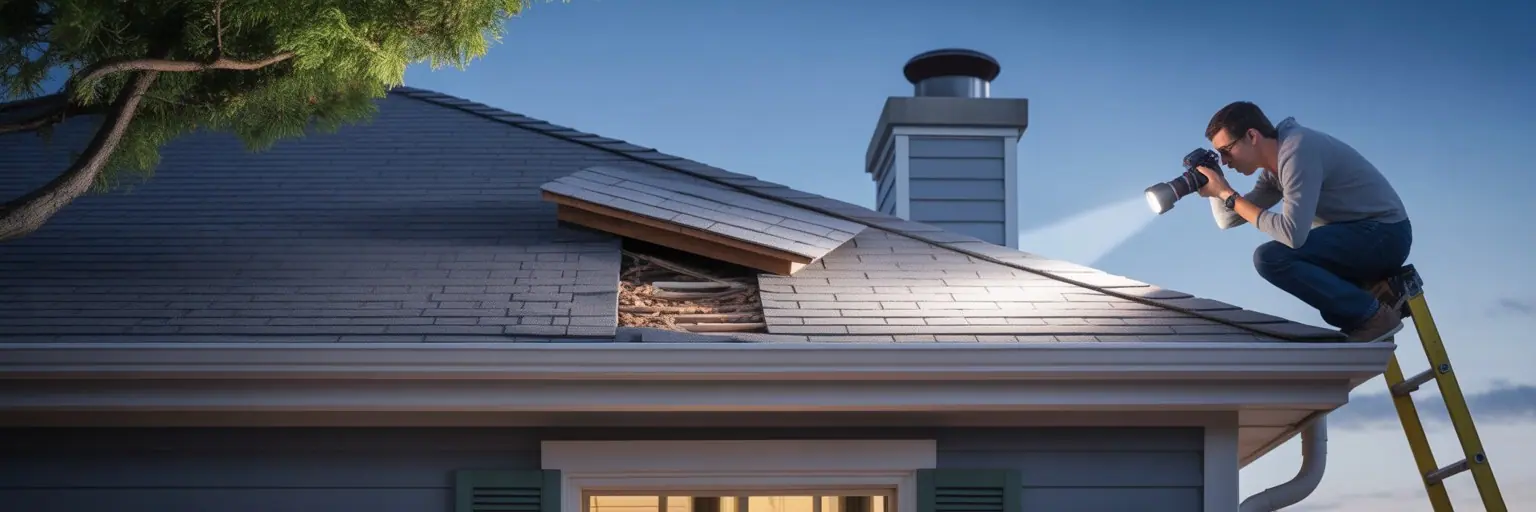
Inspection is a combination of visual checks and targeted observation. You do not need specialized equipment to find most common wildlife entry points, but a camera helps confirm species and timing without risking direct contact.
- Look for fresh damage to soffit panels, displaced shingles, or missing vent covers.
- Check attic and crawlspace access points inside the house for light gaps that indicate exterior openings.
- Use a game camera or phone camera to record nighttime activity. One homeowner traced visits to an apple tree 15 feet from the roof after reviewing camera footage.
- Note droppings, tracks, or shredded nesting material near suspected entries. These signs narrow the likely species and inform remediation choices.
Which entry points correspond to which animals
Knowing the species helps you choose the right exclusion method rather than guessing and missing the real gap.
- Raccoons: Prefer larger gaps in soffits, uncapped chimneys, and under-deck cavities. They exploit weak fasteners and can pry wood apart.
- Squirrels and flying squirrels: Use small roof gaps, ridge vents, and soffit holes. They often chew to enlarge holes.
- Bats: Fit through very small gaps at ridge lines, soffit edges, and loose flashing. Their entry points are often hard to spot without an inspection at dusk.
- Rats: Enter through foundation vents, utility penetrations, and gaps in siding. Roof rats often exploit overhanging vegetation; Norway rats enter low ground-level openings.
- Opossums and skunks: Move into open crawlspace access, broken skirting, and low foundation openings.
Immediate steps you can take safely
Do not seal suspected entries while animals may still be inside. Sealing prematurely creates trapped animals and far worse cleanup. Instead, follow this practical order of operations.
- Document signs: Photograph damage and record times of activity with a camera. Documentation is crucial for professional assessments and insurance conversations.
- Remove attractants: Secure trash, remove pet food, and stop bird feeding temporarily. Our site shows multiple examples where food removal alone reduced visits noticeably.
- Trim vegetation: Cut back branches within about 10 to 20 feet of the roof to reduce access points for climbers.
- Schedule a licensed inspection: A professional will confirm species, check for dependent young, and provide an itemized plan for removal, exclusion, and sanitation. That avoids accidental welfare or legal issues.
Exclusion materials that work and common repair methods
Different entry points need different materials. Use the right material for the job; cheap fixes tend to fail quickly and invite return visits.
- Galvanized hardware cloth: Use for soffit and foundation repairs. It resists prying and prevents digging at ground-level vents.
- Metal flashing and vent collars: Re-roofing around vent penetrations with metal collars prevents small gaps that animals exploit.
- Chimney caps and metal mesh: Always install a chimney cap and secure ridge and soffit vents with sturdy metal screens.
- Composite skirting or pressure-treated plywood: For under-deck skirting use materials that animals cannot easily tear or push aside.
When DIY makes the problem worse
Several documented service reports and community accounts warn that sealing holes without confirming occupancy can trap young animals. Passive sealing may also push animals to chew into new cavities, destroying insulation and wiring. For these reasons our site recommends separating inspection, removal, exclusion, and sanitation line items when collecting quotes.
Cost and timeline signals to expect
Itemized quotes help you compare work. Typical timelines are short for inspections and exclusion repairs but sanitation and insulation replacement extend schedules and budgets.
- Inspection and species ID: same day to one week; typically $75 to $250.
- Targeted removal or trapping: one to 14 days depending on strategy; representative costs often run $150 to $600.
- Exclusion repairs: one to three days for simple soffit or vent work; larger roofing or skirting jobs take longer.
- Sanitation and insulation replacement: expect multi-day work and costs that can range into the thousands for severe contamination; extreme cases on record reached roughly $11,000.
Internal links that help you next
If you want a deeper walkthrough of specific entry types, read our post on how raccoons enter homes for attic-focused examples and the post on rat entry points for foundation and siding vulnerabilities. For problems under decks and porches see raccoons under deck, which includes contractor checklists you can borrow when collecting quotes.
How professionals validate and close entry points
A licensed exclusion specialist will follow a repeatable process you should expect in any quote. First comes inspection and documentation. Next they test occupancy and monitor for movement or parental return if young are suspected. Then they install one-way doors or traps as allowed by local law and repair every identified entry point with durable materials. Finally they offer a monitoring window and sanitation plan if contamination exists.
Ask providers to itemize each step so you can compare guarantees and warranties rather than only bottom-line prices.
Frequently Asked Questions
How do I find the exact spot animals are using to get into my attic?
Start with visual checks on the roofline at dusk and dawn. Look for torn soffits, broken vent screens, and displaced flashing. Use a camera or trail camera to capture activity. Notes about time of night and the type of noise help confirm species, which narrows the likely entry locations for a professional inspector.
Can I seal small gaps myself to keep rats out?
Yes for small, ground-level gaps you can use heavy-gauge hardware cloth or steel mesh to seal vents and foundation openings. Do not seal roofline gaps or soffits unless you are certain no animals are inside. Passive sealing when animals remain inside creates trapped animals and a worse cleanup problem.
What entry points should I check first if I hear scratching in the attic?
Prioritize soffits, ridge vents, roof vent boots, and chimney caps. Scratching that occurs after dusk suggests nocturnal species; bats and raccoons approach through small roofline openings or uncapped chimneys. Document the sound pattern before sealing anything and schedule a professional inspection.
How long after repairs can I expect animals not to return?
Return depends on whether all entry points were fixed and whether attractants remain. Many homeowners see no return after a complete exclusion and removing food sources. Community reports show animals will often try again within weeks if even a single gap remains open, so thoroughness matters.
Are there entry points that are easy to miss during a DIY inspection?
Yes. Ridge vents, small gaps at flashing, and openings behind decorative trim are commonly missed. Bats and small rodents exploit hairline gaps. A professional inspection can identify these subtle points and recommend metal flashing or mesh solutions that last longer than quick patchwork.
When should I call a licensed wildlife removal service instead of attempting fixes myself?
Call a professional when you suspect an active den with young, when you find heavy contamination, or when damage involves wiring or structural components. Professionals separate inspection, removal, exclusion, and sanitation so you avoid welfare and legal pitfalls and get a complete, itemized plan.
Conclusion
Common wildlife entry points are predictable once you know where to look: soffits, roof penetrations, uncapped chimneys, foundation vents, and under-deck gaps top the list. Start with careful documentation and attractant removal, then schedule an inspection if you find evidence of occupancy. The primary keyword common wildlife entry points belongs in your plan because addressing the right gap the first time prevents repeat damage and expensive cleanup.