How to Get Rid of Rats in the House: 5 Pro Tips
- Pro Wildlife Removal
- Blog
Rats Invading Your Home? Here’s How to Take Control Quickly and Effectively
Discovering rats in your home can be a nightmare for any homeowner. Not only are these pests a health hazard, capable of spreading diseases and contaminating food, but they can also cause significant damage to your property. Chewed electrical wires, gnawed wood, and shredded insulation are just a few of the costly consequences of a rat infestation left unchecked. With their rapid reproduction rates, it doesn’t take long for a minor issue to become a major problem.
If you’ve spotted droppings, heard scratching noises in your walls, or noticed gnaw marks around your home, it’s time to act fast. This guide will walk you through five professional tips to help you get rid of rats in the house—quickly and effectively. From sealing entry points to setting traps, we’ll show you how to safeguard your home and prevent rats from coming back.
Ready to reclaim your space? Let’s dive in!
Tip #1: Identify the Signs of a Rat Infestation Early
Rats are masters at staying hidden, which is why many homeowners aren’t aware of an infestation until the problem has grown out of control. The key to effective rat removal starts with early detection. Knowing the telltale signs can help you take action before their numbers multiply.
Start by inspecting areas where rats are most likely to hide: basements, attics, crawl spaces, and behind appliances. Look for these common indicators:
- Droppings: One of the most obvious signs. Rat droppings are typically dark brown, shaped like a grain of rice, and can be found near food sources or nesting areas.
- Gnaw Marks: Rats have powerful teeth that can chew through almost anything. Check for bite marks on wooden beams, food packaging, electrical wiring, and baseboards.
- Grease Smudges: Rats’ bodies leave greasy smears along walls and surfaces as they travel the same pathways repeatedly.
- Scratching Noises: If you hear faint scratching or scurrying sounds at night, particularly in the walls or ceiling, this could indicate rat activity.
- Nests: Rats create nests using shredded paper, insulation, and other soft materials. Look in dark, hidden corners of your home.
Pro Tip: Use a flashlight to inspect dark or hard-to-reach areas and pay attention to corners and crevices where rats are likely to hide. The sooner you spot the signs, the quicker you can implement the next steps to eliminate them.
Tip #2: Seal Entry Points and Prevent Access
Once you’ve confirmed there are rats in your home, the next step is to stop them from coming and going freely. Rats are known for their ability to squeeze through tiny openings—often as small as a quarter of an inch—so it’s crucial to inspect your home for any potential entry points and seal them off. This step not only prevents new rats from entering but also helps trap the ones already inside, making it easier to remove them.
Identify Common Entry Points:
- Cracks and Gaps in the Foundation: Rats can slip through even the smallest cracks, so inspect the entire perimeter of your house.
- Gaps Around Utility Lines: Check where pipes, wires, and cables enter the house. These areas are often overlooked and can provide easy access.
- Broken Vent Screens or Chimney Caps: Openings in vents and chimneys are common entry points for rodents.
- Gaps Under Doors and Windows: Inspect door frames, garage doors, and basement windows for any openings.
How to Properly Seal These Openings:
- Use steel wool and caulk for smaller cracks. Rats hate the texture of steel wool and will avoid trying to chew through it.
- For larger gaps, apply heavy-duty wire mesh or hardware cloth and secure it tightly.
- Use weather stripping around doors and windows to block any openings and prevent rodents from squeezing through.
Pro Tip: Combine materials for maximum effectiveness. For instance, using steel wool inside a gap and then sealing it with caulk prevents rats from chewing their way back in. Also, regularly check for new openings, especially after severe weather, as rats can exploit structural damage.
Tip #3: Set Traps Strategically for Maximum Impact
Sealing off entry points is a critical step, but if you already have rats inside, you need a solid plan to remove them. Trapping is one of the most effective ways to get rid of rats in the house, but success depends on using the right traps and placing them in strategic locations.
Types of Rat Traps to Consider:
- Snap Traps: One of the most commonly used options. They work quickly and effectively when placed in high-traffic areas.
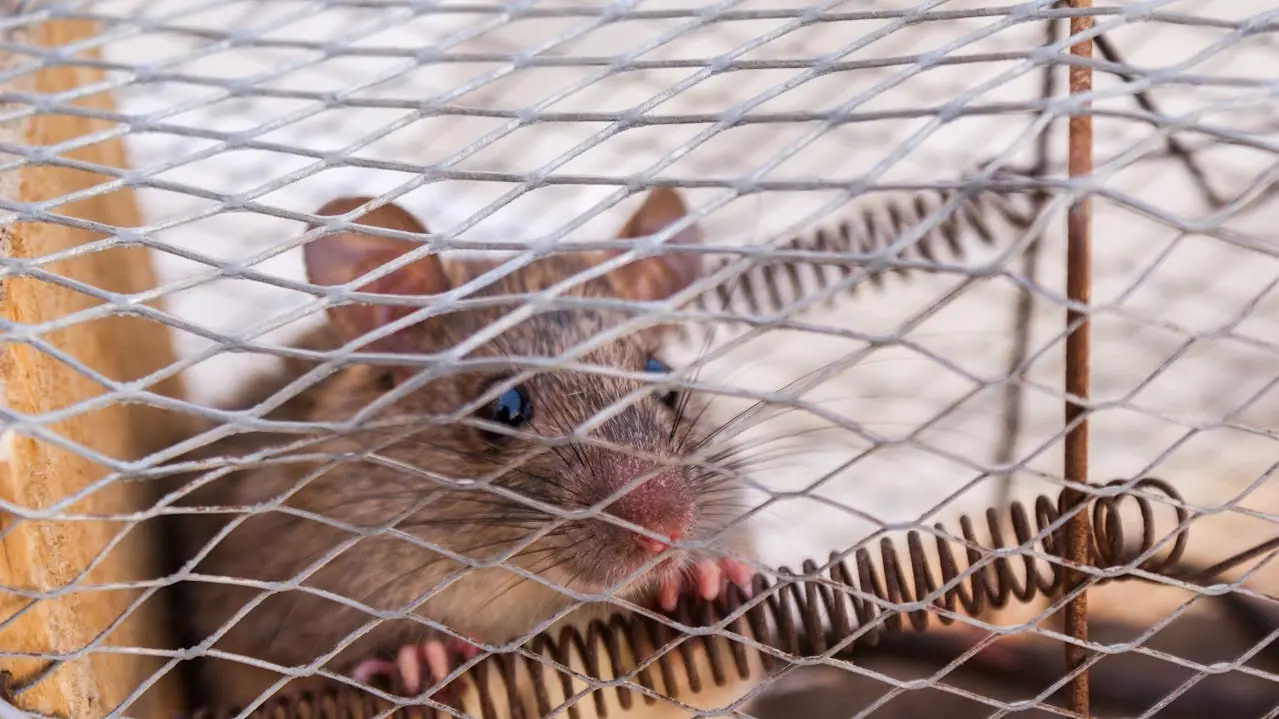
- Live Traps: These are a more humane option that captures the rat without killing it, but you’ll need to release the rat far away from your property.
- Electronic Traps: Deliver a high-voltage shock to eliminate rats instantly. These are useful for people who prefer not to handle traditional traps.
Placement is Key:
Rats tend to run along walls and edges of rooms, so position traps perpendicular to the walls. Focus on areas where you’ve noticed signs of activity, such as droppings or gnaw marks.
- Tip: Place traps in pairs with the triggers facing outward to catch rats coming from both directions.
- Tip: Use small amounts of bait, such as peanut butter, nuts, or dried fruit, to lure the rats to the traps. Avoid overloading traps with bait, as rats may steal it without getting caught.
Pro Tip: Wear gloves when handling traps to avoid transferring human scent, which can make rats wary of the traps. Regularly check the traps and reposition them as needed for better results.
Once you’ve set your traps, the next focus is to make your home less attractive to rats by eliminating their sources of food and shelter.
Tip #4: Remove Attractants and Keep Your Home Clean
Even the best traps won’t be effective if your home is still full of enticing food and nesting materials. Rats are opportunistic feeders and will thrive in an environment that provides easy access to food, water, and safe hiding spots. Making your home as unappealing as possible is a vital part of long-term rat control.
Eliminate Food Sources:
- Store Food Properly: Keep pantry items, pet food, and bird seed in airtight containers made of metal or glass.
- Clean Up Crumbs and Spills: Even the smallest crumbs can attract rats, so maintain a strict cleaning schedule. Vacuum and wipe down counters regularly.
- Take Out the Trash Frequently: Use trash cans with tight-fitting lids and empty them often to avoid attracting rodents.
Remove Potential Nesting Sites:
- Declutter Your Home: Get rid of cardboard boxes, old newspapers, and other clutter that can be used for nesting.
- Maintain Your Yard: Trim bushes, clean up leaf piles, and remove any outdoor debris that could provide shelter.
Pro Tip: Don’t forget about secondary food sources. Rats are resourceful and will eat just about anything, so even pet bowls, compost bins, and unsecured trash can serve as attractants. Ensuring that these are secured will reduce the likelihood of rats wanting to stay.
Once you’ve cleared out their food and shelter, it’s time to know when to seek professional help.
Tip #5: Know When to Call the Professionals
Sometimes, even the most well-executed DIY methods aren’t enough to fully eliminate a rat problem. If you’re dealing with a large infestation, or if rats have nested inside walls or ceilings where traps can’t reach, it’s time to consider calling in the experts.
When to Seek Professional Help:
- Large or Persistent Infestations: If traps and exclusion methods haven’t worked, it’s likely you’re dealing with a larger rat population than expected.
- Rats Inside Walls or Ceilings: Rats can chew through wires and insulation, creating fire hazards and causing structural damage. Removing them requires specialized equipment and expertise.
- Dead Animal Removal: If a rat has died inside your walls or attic, the resulting odor can be overwhelming. Professionals can locate and safely remove dead animals to eliminate the smell and prevent secondary pest issues.
Pro Tip: Professional wildlife removal experts have the tools, experience, and knowledge to implement advanced solutions like exclusion systems, rat-proofing, and ongoing monitoring. This ensures not only that the current rats are removed but that future infestations are prevented.
Say Goodbye to Rats for Good!
Rats are more than just a nuisance—they’re a serious problem that can cause health issues and extensive property damage. By following these five pro tips from the top Florida wildlife removal company—identifying signs early, sealing entry points, setting traps strategically, removing attractants, and knowing when to call in the professionals—you can effectively get rid of rats in your house and prevent them from returning.
If you’re facing a stubborn infestation or want to ensure your home is fully protected, reach out to Pro Wildlife Removal – the Central Florida rat removal experts. With expert services tailored to your needs, we’ll help you reclaim your space and keep your home rat-free for good.