Rat Exclusion Services: Prevent Reinfestation and Damage
- Taroneh homberg
- Blog
Why rat exclusion services stop reinfestations and protect your home
If you have dealt with attic activity, chewed wiring, or repeated sightings, rat exclusion services are the single most effective way to stop rats from coming back. Start with a professional inspection and an evidence-based exclusion plan such as our rat removal services because exclusion both removes access and prevents the costly cycle of re-entry that DIY fixes and temporary baiting often fail to break.
Exclusion focuses on closing the structural vulnerabilities rats use, backing that work with targeted removal and cleanup. Authoritative sources confirm that structural exclusion and sanitation are core components of integrated pest management; see guidance from the Centers for Disease Control and Prevention on rodent control for health-risk reduction and the University of Florida IFAS extension for species behavior and exclusion best practices CDC: Rodent Control, UF IFAS: Rats in Buildings.
How professional exclusion works and why it reduces reinfestation
Exclusion is not a single action. It is a sequence of diagnosis, targeted removal, durable sealing, and verification. A competent team will:
- Map activity: inspect runways, droppings, and chew patterns to identify species and entry points.
- Remove or reduce animals safely: use traps or live-capture methods in attics and voids while avoiding hidden carcasses in walls.
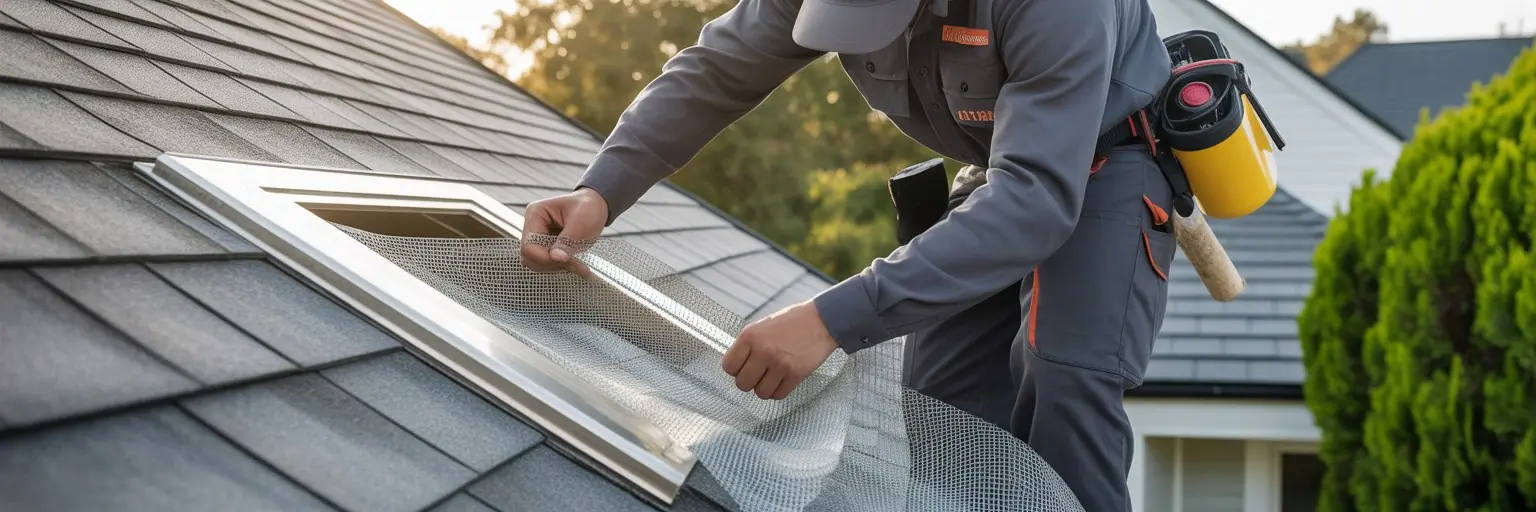
- Repair and seal openings: install rodent-proof materials at soffits, vents, foundation gaps, and utility penetrations.
- Protect vulnerable infrastructure: recommend armored conduit or conduit wraps for exposed wiring and install metal flashing where rats gnaw at siding or fascia.
- Sanitize and restore: remove contaminated insulation, disinfect nesting areas, and replace materials to remove attractants and contamination.
- Verify and warranty: perform follow-up inspections and provide a service warranty with follow-up inspections and a defined period.
That combination addresses both the symptom and the cause. Research and industry guidance show that exclusion plus sanitation reduces recurrence far more effectively than trapping or baiting alone; the EPA and CDC both recommend exclusion as part of integrated pest management for long-term control EPA: Rodent control basics, CDC guidance.
How professional exclusion differs from trapping, baiting, or DIY fixes
Many homeowners try traps or store-bought repellents first. Those tactics can reduce numbers temporarily but do not stop rats from exploiting the same structural pathway again. The table below summarizes strengths, limitations, and when to choose each approach.
| Approach | Primary strength | Why it fails to prevent reinfestation |
|---|---|---|
| Trapping | Removes individuals quickly | Does not repair entry points; other rats follow same route |
| Baiting or poisons | Broad population reduction | Health risk to pets and wildlife; hidden carcasses can cause odors and secondary issues |
| DIY sealing and repellents | Low cost, quick fixes | Often misses hidden entry points in soffits, vent stacks, and foundations |
| Professional exclusion and remediation | Solves root cause: access and contamination | Higher upfront cost but far lower recurrence and downstream repair costs |
Common rat entry points every exclusion plan must address
Rats squeeze through surprisingly small openings and use predictable routes. Effective exclusion inspects and repairs these priority areas:
- Soffits and roofline gaps: roof rats climb trees and utilities to reach attics through chewed or poorly fitted vents.
- Exterior foundation gaps and slab penetrations: Norway rats often burrow and enter through gaps at the sill plate or plumbing stacks.
- Disconnected or torn vent screens: dryer and plumbing vents that lack metal screens permit repeat entry.
- Gap around utility lines and conduit: openings where wires enter the structure are classic re-entry points.
- Damaged fascia and eaves: rats exploit rotted wood and gaps behind trim.
For step-by-step entry point photos and a homeowner checklist see our rat entry points and the attic signs guide at rats in attic signs. Those pages are useful when you document the problem for contractors or insurance.
Costs and timeline: what to budget for effective exclusion
Costs vary by access, species, and the need for remediation. The ranges below combine local field data and contractor averages to give realistic planning numbers.
| Service | Representative range (USD) | Typical timeline |
|---|---|---|
| Inspection and written report | 75 to 250 | Same day to 3 days |
| Basic exclusion: sealing vents, small gaps | 250 to 900 | 1 to 3 days |
| Full attic exclusion, sanitation, insulation replacement | 800 to 5,000+ | 2 to 7 days |
| Electrical or HVAC coordination for chewed wiring | 150 to 3,500 depending on scope | 1 to 5 days |
Those figures align with typical local job records and published contractor ranges. In some cases, remediation that includes insulation removal and electrical repairs pushes the invoice into the thousands, which is why a complete exclusion plan is often more cost effective over time than repeated band-aid fixes.
Practical comparison: exclusion outcomes vs repeat baiting over 12 months
| Metric | Professional exclusion (warranty) | DIY baiting/trapping |
|---|---|---|
| Chance of reinfestation within 12 months | 10 to 20 percent with proper sealing and follow-up | 50 to 80 percent depending on habitat |
| Expected total cost over 12 months | Lower long-term cost if initial remediation needed | Often higher due to repeated service calls and repair escalation |
| Health and contamination risk | Lower after sanitation and insulation replacement | Higher due to hidden carcasses and ongoing droppings |
Real client experiences and local credibility
Local reviews repeatedly highlight two patterns: technicians who locate and seal multiple missed entry points stop long-term problems, and clear communication matters. For example, one homeowner praised a technician named Nelson for identifying more than a dozen entry points that another company missed and for delivering a follow-up program that restored the homeowner’s confidence in their house. Another review applauded a technician named Brandon for prompt, polite removal of a raccoon and for following through on sealing and cleanup.
These examples matter because exclusion is as much a skill as a material cost. Teams that combine field experience, fast response, and documentation produce better long-term results. If you want to see local job examples and what to expect during cleanup see our attic cleanup guide and our article comparing exclusion and trapping at Attic Wildlife Cleanup and Wildlife exclusion vs trapping.
How exclusion supports local SEO and why that matters to homeowners
Local service pages and clear geographic signals help you find a nearby specialist quickly. When you search for rat exclusion services plus your city name, look for local references to previous jobs, technician names, and service warranties. Those details show a company operates in your area and understands local rodent behavior. Include your city in the initial call so the provider can quote to local codes and common fruit-tree or landscape access patterns that matter in coastal and suburban neighborhoods.
Frequently Asked Questions
What is included in a typical rat exclusion service?
A standard service begins with an inspection, mapping of activity, humane removal or trapping, sealing of entry points with metal mesh and flashing, sanitation and insulation replacement if needed, and a written warranty with follow-up inspections. Ask for itemized bids that separate inspection, exclusion labor, materials, and remediation so you can compare apples to apples.
How long before I can expect to be rat-free after exclusion?
After effective exclusion and removal most homeowners stop seeing activity within a few days to two weeks. Follow-up checks during the warranty period confirm the exclusion holds; aggressive neighborhoods or adjacent green space may require an initial follow-up schedule to ensure long-term success.
Will exclusion prevent other wildlife problems?
Yes. Durable exclusion that seals gaps and repairs soffits also prevents entry by many other species such as raccoons, squirrels, and bats. However, species-specific behaviors require tailored work for some animals so state wildlife regulations and humane handling rules are followed.
Is sanitation and insulation replacement always necessary?
Sanitation and insulation replacement depend on contamination. If droppings, urine, or nesting material are present, removal and disinfection are recommended to reduce health risks and eliminate food or scent cues that attract repeat visitors. A professional inspection will advise whether partial or full replacement is needed.
How do I choose between a local pest company and a wildlife exclusion specialist?
Choose a team that documents entry points with photos, provides a written exclusion warranty, coordinates with electricians when wiring is chewed, and explains remediation steps. Reviews that mention repeat follow-ups and named technicians who returned until the problem was solved are good indicators of reliable service.
Conclusion
Hiring qualified rat exclusion services is the most reliable way to stop rat reinfestations and to avoid escalating repair bills and health risks. Exclusion solves the underlying access problems, pairs removal with sanitation, and gives you documented verification and follow-up. For a local inspection tailored to your property, documentation of entry points, and a written exclusion plan request a quote through our rat removal services page so you can get a prompt, itemized proposal and a warranty on the work.