Wildlife-Proofing Your Home
- Taroneh homberg
- Blog
Why wildlife proofing your home matters
If you have heard scratching in the attic, found chewed wiring, or discovered fresh droppings in a crawl space, wildlife proofing your home should be a priority. Wildlife proofing your home reduces fire risk from chewed wires, limits contamination of insulation, and stops repeat damage that can run into the thousands of dollars. Homeowners quoted in local case studies reported repair estimates from a few hundred dollars for small splices to more than ten thousand dollars when insulation, ducts, and wiring all needed remediation.
This guide pulls together proven exclusion tactics, realistic cost points, and practical inspection steps so you can stop animals before they cause serious damage.
Common animals that force homeowners to wildlife proof
Different species create different problems, and the right proofing technique depends on who is visiting your house.
- Squirrels: active in rooflines and attics; known to chew wiring and shred insulation.
- Rats and mice: enter through small gaps, contaminate insulation, and gnaw on structural wood and wiring.
- Raccoons and opossums: larger animals that tear soffits and create large entry holes; they can damage roofs and vents.
- Bats: squeeze through tiny openings and leave guano that requires special cleanup.
How wildlife typically gets inside
Most wildlife uses predictable access routes. Identifying those routes is the quickest way to stop repeat visits.
- Roofline gaps and damaged soffits near eaves.
- Unscreened vents, faulty chimney caps, and torn ridge vents.
- Gaps around utility penetrations and poorly sealed attic access doors.
- Tree limbs and overhanging branches that create a bridge to the roof.
One recurring pattern reported in local job reports is that animals often begin with a small opening and enlarge it over time. That means a tiny gap today becomes a major entry point in weeks if not sealed early.
Inspect first, then seal: a practical step-by-step checklist
Follow this inspection order to gather evidence and prioritize repairs before expensive remediation.
- Listen. Note whether noises happen during daytime or night; squirrels and raccoons are often active by day or at dusk, while rats are typically nocturnal.
- Look for fresh signs at likely access points: torn soffit screens, displaced vent covers, and droppings near attic access.
- Document damage with photos. Contractors and insurers will ask for images showing chew marks, entry holes, and contaminated insulation.
- If you observe exposed electrical conductors, shut off the related circuit and call a licensed electrician before further inspection.
- Map every gap you find and prioritize sealing the most direct roofline and vent openings first.
Exclusion techniques that actually work
Not every product marketed for wildlife prevention is effective. Field experience and community reports show the best results come from physical exclusion and habitat modification.
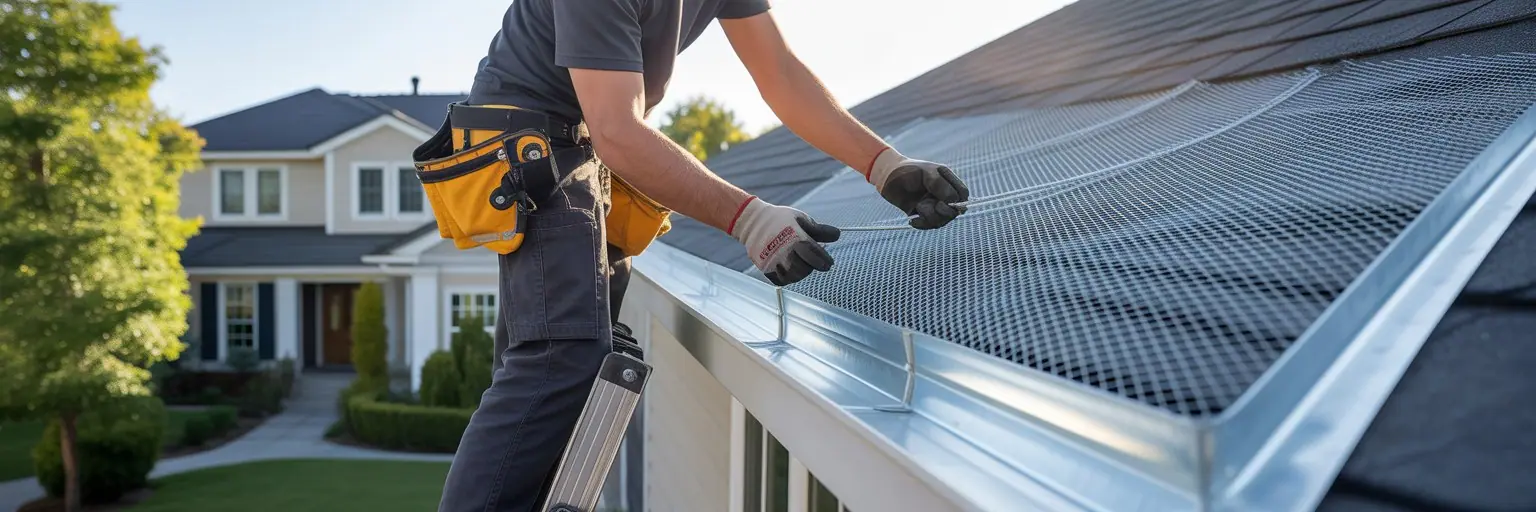
- Durable screening: Use 1/4 inch to 1/2 inch heavy-gauge hardware cloth for vents and soffits. Steel mesh prevents most rodents and birds from squeezing through.
- Metal flashing and repair plates: Replace rotted soffit boards and install metal flashing where animals are rubbing or gnawing at edges.
- Rodent-resistant conduit and armored cable: Where wiring is exposed outdoors or in crawl spaces, protect lines with steel conduit or use armored cable. For vehicle wiring, have protective wraps or metal mesh installed by a mechanic.
- Trim tree limbs: Cut branches back at least eight feet from the house so animals cannot jump onto the roof.
- Seal utility penetrations: Use silicone or urethane caulk for small gaps and steel or cement patches for larger holes. Combine steel wool with sealant for openings that rodents targeted historically.
What does wildlife-proofed wiring look like in practice
Effective wiring protection combines mechanical barriers and professional repair. For landscape and lamp-post wiring, homeowners who installed conduit and raised lines reported repeated GFCI trips stopped and fewer shorts. A realistic budget to protect vulnerable runs starts in the low hundreds for small accessible splices and can rise to several thousand dollars for full reruns and attic rewiring.
Refer to our detailed discussion on squirrels chewing wires for examples of common patterns and repair cost ranges for different scenarios.
Costs you should plan for
Budgeting up front helps you decide whether to DIY or hire pros. Community and contractor reports show these typical ranges.
- Small wiring patch or single circuit splice: $150 to $800.
- Partial attic rewiring: $800 to $3,500 depending on access and circuit count.
- Insulation removal and replacement after contamination: $800 to $5,000 in many local cases.
- Vehicle wiring repairs caused by wildlife: $200 to $1,500 or more depending on complexity and parts.
One homeowner account documented in local reports described attic wiring chewed through both outer and inner insulation on multiple runs, which pushed estimates into the upper range due to contamination and the need to remove and replace insulation around the affected area.
DIY repellents and why they often fail
Products such as peppermint oil, cayenne sprays, and ultrasonic devices are popular because they are cheap and easy to try. In practice they provide inconsistent results. Many homeowners see temporary avoidance, but when the animal has found food, shelter, or nesting material, repellents rarely prevent return visits. Use these products only as a short-term measure while you implement exclusion and remove attractants.
When to call a licensed professional
Call a wildlife exclusion or remediation professional when any of the following apply:
- Active nesting inside cavities or visible entry holes larger than a few inches.
- Extensive contamination of insulation or evidence of disease risks such as bat guano.
- Chewed electrical wiring that created exposed conductors or repeated short circuits.
- Recurring vehicle damage after basic DIY protection attempts.
Professionals provide a written exclusion plan, proof of insurance, and coordination with electricians or HVAC contractors when ducts, wiring, or insulation require simultaneous repair. For help prioritizing which repairs to do first, see the checklist at wildlife damage repair: 12 signs.
How to prevent wildlife coming back
Permanent prevention combines exclusion, landscape adjustments, and ongoing maintenance.
- Regular inspections: Check soffits, vents, and rooflines twice a year and after storms.
- Maintain tree clearance: Keep branches pruned eight to ten feet from the roof.
- Secure food sources: Move bird feeders away from the house and store pet food indoors in sealed containers.
- Install one-way exclusion devices where animals are active: For some species, a one-way door lets an occupant leave but not reenter while you prepare a permanent seal.
Real-world warning: why partial fixes increase long-term cost
Several documented local cases show homeowners who patched a gap without addressing underlying attractants experienced repeat visits and larger damage. A small repair left unaccompanied by insulation remediation or landscape changes often results in multiple service calls, which increases cumulative cost. Fixing the symptom without removing the cause is rarely economical.
Internal links for more targeted problems
If your primary problem is rodent gnawing and repeat infestation, our guide on rat exclusion and prevention explains sealing techniques specific to rats and mice. For wiring-specific examples and repair ranges, see our post on squirrels chewing wires which includes the patterns electricians and homeowners reported during community discussions.
Frequently Asked Questions
How do I wildlife-proof my attic without tearing out insulation?
Start by identifying and sealing entry points at the roofline, soffits, and vents using durable hardware cloth and metal flashing. If insulation is contaminated, removal is often required. Temporary exclusion plus targeted cleanup can work short-term, but contaminated insulation usually needs replacement to remove health risks from droppings and parasites.
Can chewed wires cause a house fire?
Yes. Exposed conductors and compromised insulation create arcing and heating that increase fire risk. Community reports include near-miss electrical events after animals chewed through wiring. If you find chewed wires, turn off the circuit and call a licensed electrician immediately for inspection and repair.
Will peppermint oil or ultrasonic devices keep squirrels away?
These methods sometimes produce short-term avoidance, but they rarely stop animals with nests or easy access. Use repellents only while you implement exclusion measures and remove attractants. Rely on physical barriers and landscape changes for long-term results.
How much should I budget for exclusion and repair?
For small, accessible repairs expect a few hundred dollars. Partial rewiring and insulation removal commonly range from $800 to $5,000 depending on scope. Larger combined remediation that involves ducts, insulation, and structural repairs can exceed these ranges. Get multiple written estimates and prioritize exclusion first.
Can I safely block an entry while animals are inside?
No. Blocking an active entry can trap animals inside and create worse contamination or noise problems. If you suspect animals are currently inside, use a professional exclusion service that can humanely remove occupants or install one-way exclusion devices to allow exit before permanent sealing.
Conclusion
Wildlife proofing your home protects safety, reduces recurring repair costs, and preserves indoor air quality. Prioritize identifying access points, protecting vulnerable wiring with conduit or armored cable, and removing attractants in your yard. If you find chewed wiring or contaminated insulation, coordinate exclusion with licensed electricians and remediation pros so you do the job once and do it right. Start by sealing obvious roofline gaps and trimming branches; then schedule a professional inspection if damage or contamination is significant.